
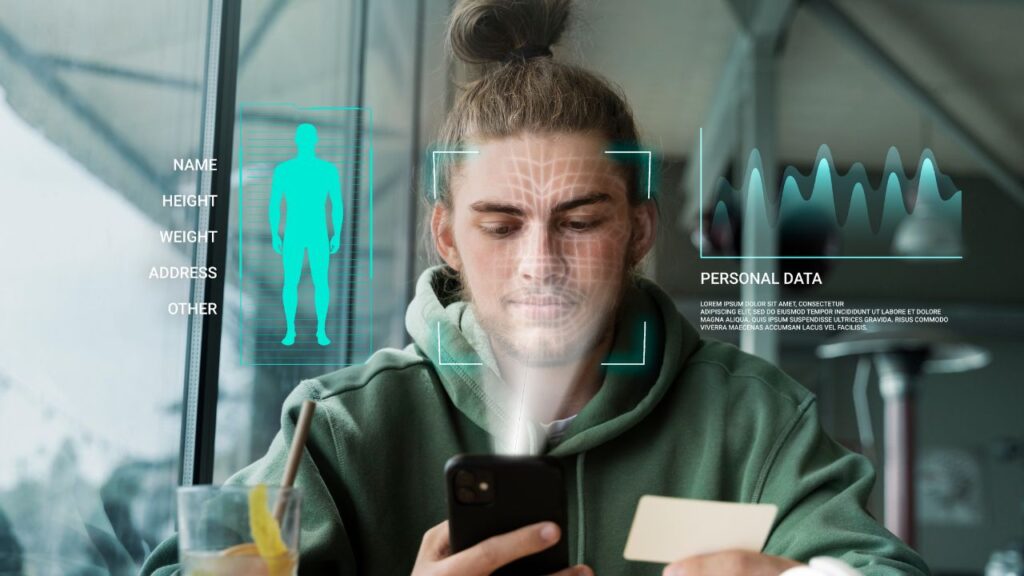
Biometric technology is a rapidly emerging lifestyle. The devices will be comfortable and secure since one can unlock smartphones using fingertips, and there is facial recognition technology in the airports. When we are enjoying these benefits, we will lose the perspective of the ethical issues in this case.
The ethical issues of biometric technology are privacy and consent issues, security and bias issues, which are the concern of the individuals and their organizations, and society in general. In ensuring that we can use these issues in a responsible manner, I will also put them into an account in this article, in addition to real-world solutions and best practices.
What Is Biometric Data and Why Ethics Matter
There are theatrical functions of biometric convenience. Biometric information is intimate, unique, and identifiable. This is why one has to approach it in an ethical manner.
Significant Biometric Technology Ethical Concerns
Privacy and Consent
One of the most important issues is also user privacy. Biometric data may be non-consensually obtained, leading to non-monitored, non-anonymous monitoring. We also understood that the retail outlets have been following the facial scan of the customers regularly without their knowledge. This is not merely comparable to the invasion of privacy, but it may ruin the trust in technology.
Informed Consent and Usage of Data
The concept of informed consent means that the users are unaware of what will happen to their data regarding the collection, storage, and use of the data. It is a tendency of the companies to present long legal texts that are not read by many people. The other lesson that I have learned is that business organizations whose opt-in policies and privacy policies are not worded in complex terms in their format are better received and have a higher trust rating.
Risk of Unauthorized Use
The possible data that can be gathered by the unauthorized individual about the biometric information is government spying or the transfer of the information to a third party. The lack of the respective precautions results in the escalation of the risk. The anonymization of data and encryption, as well as the non-exploitation of users, will be performed.
Ethical Principles for Using Biometric Data
To find a balance between responsibility and convenience, the organizations can resort to the following apparent principles of ethics:
Data Collection
One must just collect the required information. One such thing can be that a bank may require fingerprints to confirm an identity, but may not require a face scan in all transactions.
Data Privacy
Implement encryption and introduce safe storage. The multi-layer access control is applied, in which the authorized personnel can only access sensitive data.
Data Misuse
Always avoid second-hand information. The retailers or apps should not sell the biometric data without the consent of the users.
Transparency
Ensure that there is clarity of purpose, retention, and usage policies among the users. This will come out as credible and help in fulfilling the legal requirements.
Accountability
P delegates the data management responsibilities. The ethical standards should be held responsible.
Security
Audits are to be performed frequently, breach response plans are to be followed, and penetration testing is to be performed. They will be viable even in instances where information is collected on the case; such information will not be used or stolen.
Data Security Challenges in Biometric Systems
Data security is the only option. In the case of biometrics and multi-factor authentication, the likelihood of a person without due authorization gaining access to the device is greatly reduced. AES-256 encryption and network segmentation are used as such encryption protocols, which help in ensuring security as well. The practice has shown that breaches and mistrust between patients are documented in health care organizations that apply both biometric authentication and encryption.
Compliance and Regulations for Biometric Data
The biometric practice ethics follow the regulations, such as GDPR in Europe or CCPA in California. This is not merely the legal challenge; that is why customer confidence is achieved, and that is how operational risk is reduced. Organizations should:
- Training of workers on trains should be done depending on the data privacy and ethics.
- Conduct regular internal audit.
- Adhere to the AI algorithms of bias and accuracy.
Biometric technology will be at the center of the agenda regarding Ethics and compliance, and it will not be viewed as a threat to security.
Common Ethical Mistakes Organizations Should Avoid
Although these intentions are good, it does not mean that organizations do not have intentions to make mistakes that have a negative influence on ethics:
- Collection of redundant data.
- Disregard of bias in recognition algorithms.
- Absence of correct policies in regard to storage and encryption.
- Reckless attitude to users.
Indicatively, some companies have been fined due to retention of fingerprint and facial data without the corresponding consent, which case it indicates the necessity to follow the code of ethics.
Benefits of Ethical Biometric Practices
Thanks to its proper use, biometrics can be of tremendous benefit:
- Fast and more secure authentication.
- High acceptance and confidence of the user.
- A greater level of security against identity theft and fraud.
- Information security laws.
Based on the indicators, the PIN code digital wallet sellers can check the fingerprint, which is efficient to adjust the convenience, safety, and trustworthiness of the user.
FAQs About Ethical Issues of Biometric Technology
What are the most ethical concerns of the biometric technology?
These include the privacy, consent, security, prejudice, and abuse issues mostly.
Are there any threats of biometric data being stolen or hacked?
Yes. Using encryption, secure storage, and multiple-factor authentication can be used to reduce these risks.
But what is the ethical thing to do with biometric technology in firms?
The subsequent effects of gathering the right data include informed consent, transparency, and equity-related auditing algorithms.
Biased against the biometric systems?
In some systems, the minorities are not represented because they have distorted stocks of information. Testing should also be done regularly by the algorithms’ auditing.
What are the appearances of such safe data and good procedures of biometrics?
Encryption, multi-factor authentication, regular auditing, anonymity of the information, and compliance with the privacy laws.
Conclusion: Ethical Issues of Biometric Technology
The Biometric technology is a potent potion, and it comes with some responsibilities. The first is to be conscious of the ethical concerns of the biometric technology, whether it is the privacy and consent or the security and prejudice. The plus that we may have is through ensuring that we do not abuse our ethics in the process by implementing the practical solutions: encryption, transparency, informed consent, and auditing algorithms.
We have seen through our very eyes that the business who act by the rules of morality receive more credibility and acceptability. The biometrics can be implemented securely and ethically or the audit services could be validated to implement morally acceptable systems.
Learn about: What new technology developed during the Hundred Years’ War?

Hi, I’m Ramiz, the founder and editor of EchoGeneral.com
A growing online platform that shares general news, trending insights, lifestyle tips, and informative articles for readers around the world.
My mission is to make knowledge simple, reliable, and accessible to everyone. Through honest reporting and white-hat SEO practices, I aim to build a trusted space where people can explore diverse topics — from technology and health to culture, productivity, and beyond.
📧 Contact: info@echogeneral.com
🌐 Visit: https://echogeneral.com