Technology

Car key programmer software connected to vehicle OBD port for key programming

Car Key Programmer Software: Best Tools and Tips

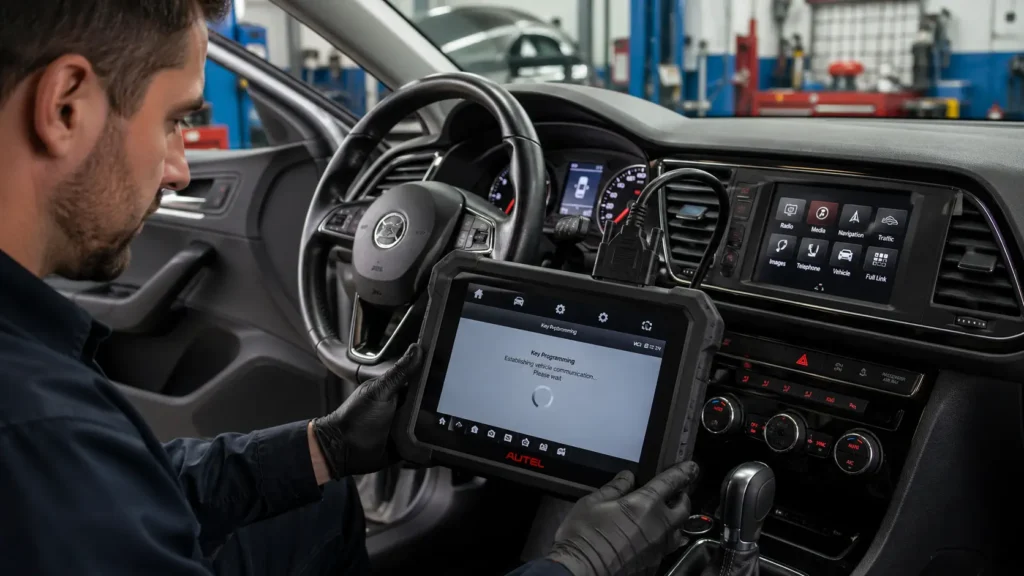
Car key programmer software is a system that allows you to program, reprogram, or add keys to modern vehicles by communicating with the car’s immobilizer and ECU. In simple terms, it’s what makes a new key actually start your car. Without it, even a perfectly cut key is useless. Here’s the thing: Cars today are not like older models. They rely heavily on electronic security. I’ve personally dealt with vehicles where even a battery replacement triggered key reprogramming. If you’re a locksmith, garage owner, or even a serious DIY user, understanding how this software works isn’t optional anymore; it’s essential. What is Car Key Programmer Software & How Does It Work? Car key programmer software is a digital tool that connects to your vehicle’s system (usually via OBD or EEPROM methods) to sync a key’s chip with the car’s immobilizer. Let’s break it down simply: The software sends commands to the car’s ECU It registers the new key’s transponder chip It disables old or lost keys if needed From my experience, the biggest confusion people have is thinking software works alone. It doesn’t. You always need a compatible device (tablet, programmer tool, or interface) to actually run it. Types of Car Key Programming Software Not all software works the same way. Choosing the wrong type can cost you time, and sometimes money. 1. OBD-Based Software This is the easiest and most common option. You plug into the car’s OBD port and program directly. Best for: Quick jobs Adding spare keys Beginners 2. EEPROM Programming Software This is more advanced. You remove chips from the ECU or read memory directly. Best for: All-keys-lost situations High-security vehicles I’ve used EEPROM methods in tricky jobs where OBD simply failed. It’s powerful—but risky if you don’t know what you’re doing. 3. Cloud-Based Platforms (2026 Trend) Some newer tools now rely on online servers for updates and programming data. Pros: Always updated Better coverage Cons: Needs internet Subscription cost 4. Mobile App-Based Tools These connect via Bluetooth and are becoming popular for quick mobile jobs. Key Features to Look for in Car Key Programmer Software Let’s be real, choosing software blindly is a mistake I’ve seen many beginners make. Here’s what actually matters: Vehicle Coverage: Always check supported models Regular Updates: New cars = new security systems Ease of Use: Complicated UI slows you down IMMO Functions: Not all tools support advanced immobilizer work Key Cloning Support: Saves time in many cases One thing I always tell people is, don’t just look at price. Look at the capability. In fact, structured evaluation approaches, similar to what’s outlined in the standard assessment procedure software model, can help you compare tools more effectively instead of relying on guesswork. Best Car Key Programmer Software & Tools (2026 Picks) From hands-on experience, these are some reliable options: Autel Key Programming Software Great for wide vehicle coverage and ease of use Xhorse VVDI Software Strong for cloning and advanced programming OBDSTAR Tools Software Good balance between price and features Smart Pro Software Popular among professionals using token-based systems Each has its place. For example, I use different tools depending on the job. No single software does everything perfectly. Software vs Hardware: What Most People Get Wrong This is a huge pain point. People think buying “car key programmer software” alone is enough. It’s not. You always need: A programming device (tablet or scanner) OBD cable or connection tool Compatible software is installed on it I’ve seen beginners waste money buying software licenses without realizing they need the hardware ecosystem. Always check compatibility before buying anything. Cost Breakdown: What You’ll Actually Spend Let’s talk money. Because this is where reality hits. There are usually three cost models: One-Time Purchase Tools Pay once, limited updates Subscription-Based Software Monthly/yearly fees Token-Based Systems Pay per job (used by tools like Smart Pro) Hidden costs include: Software updates Extra modules Vehicle-specific unlocks From my experience, cheap tools often become expensive later because of missing features. 2026 Trends in Car Key Programmer Software Things are changing fast. Here’s what I’m seeing in the field: More cloud-based programming systems Increasing vehicle security complexity Growing need for EV compatibility Early use of AI diagnostics in tools Modern cars are harder to work on. Simple tools won’t cut it anymore. Real-World Use Cases (From Experience) These are the most common situations where this software is used: Lost key replacement Adding spare keys Remote key programming All keys lost scenarios I’ve personally handled cases where a customer lost all keys to a high-end vehicle—and only advanced programming software could solve it. Common Mistakes Beginners Make I’ve seen these mistakes again and again: Buying cheap, unsupported tools Ignoring update subscriptions Not checking vehicle compatibility Using the wrong programming method Worst case? You can damage the ECU. And trust me, that’s not a cheap fix. Pro-Tip: My Personal Take From my experience, the biggest mistake people make is chasing “cheap” tools instead of reliable ones. I’ve seen locksmiths lose jobs because their software didn’t support newer car models. One trick I always follow is checking the latest vehicle coverage list before buying any tool. It saves time, money, and stress. FAQs (People Also Ask) Can I use car key programmer software without a device? No. The software always needs compatible hardware, like a programming tool or scanner, to work. Is car key programming legal? Yes, but only when done with proper authorization. Locksmiths must follow local laws and verify ownership. How much does car key programmer software cost? It can range from $100 to over $2000, depending on features, updates, and licensing models. Which software supports all cars? No software supports 100% of vehicles. Professional tools offer wider coverage but still have limits. Do I need the internet for key programming? Not always. But many modern tools require the internet for updates or cloud-based functions. Conclusion Car key programmer software is no longer just an optional tool; it’s a core part of working with modern vehicles. Whether you’re a locksmith, garage

Car Key Programmer Software: Best Tools and Tips Read More »
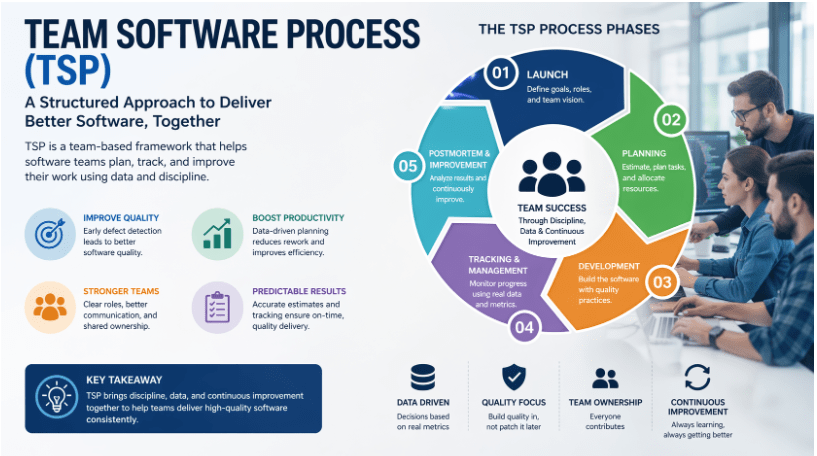
what is team software process

What Is Team Software Process? Benefits, Phases & Real-World Use

What Is Team Software Process? Benefits, Phases & Real-World Introduction to Team Software Process (TSP) If you’ve ever worked on a software project where deadlines kept slipping, bugs kept reappearing, and no one could clearly explain why things went wrong, you’re not alone. If you are wondering what is team software process, I’ve been in that exact situation early in my career. We had talented developers, solid ideas, and even good tools, but our results were inconsistent. The real problem wasn’t skill, it was the lack of a structured, team-level process. That’s where the Team Software Process (TSP) comes in. When people ask what is team software process, I always explain it from real experience. Over the years, I’ve seen how introducing even a simplified version of TSP can transform chaotic teams into predictable, high-performing units. It’s not about adding bureaucracy, it’s about giving teams clarity, ownership, and measurable control over their work. What Is the Team Software Process (TSP)? At its core, what is team software process can be defined as a structured framework that helps software teams plan, track, and improve their development process using real data. But here’s the human side of it. TSP is not just a process, it’s a discipline system that helps teams stop guessing and start knowing. Instead of relying on assumptions, teams using TSP: Measure their work Track defects Analyze performance Continuously improve From my experience, the biggest shift happens when teams realize they are not just writing code, they are managing a system. This is the real answer to what is team software process in practice. How the Team Software Process Works (Step-by-Step Lifecycle) If you want to understand what is team software process, you need to see how it works in real scenarios. 1. Launch Phase This is where the team sets expectations, roles, and goals. Everyone understands what success looks like. 2. Planning Phase Work is broken down into manageable tasks, and estimates are made based on historical data, not guesswork. 3. Development Phase The actual coding begins, but with structured practices like reviews and quality checks built in. 4. Tracking & Management Teams monitor progress using real metrics such as time, defects, and productivity. 5. Postmortem & Continuous Improvement After each cycle, the team analyzes results and improves the process. From experience, this final step is where most growth happens. Teams that skip it stay stuck, and they never fully benefit from what is team software process. Core Principles Behind TSP To fully understand what is team software process, you need to look at its core principles. TSP is built on a few powerful ideas: Data over assumptions Team ownership over individual silos Early defect detection over late fixes Continuous improvement over static workflows These may sound simple, but applying them consistently is what separates average teams from high-performing ones. What Is Personal Software Process (PSP)? Before understanding what is team software process is, it’s important to know about the Personal Software Process (PSP). PSP focuses on improving individual developers by helping them: Track their own time Measure their defects Improve estimation accuracy I’ve personally used PSP techniques, and one surprising outcome was realizing how much time I was underestimating tasks. That awareness alone improved my delivery reliability. Difference Between PSP and TSP Here’s the simple breakdown when comparing PSP and understanding what is team software process: PSP equals individual improvement TSP equals team improvement PSP helps developers become disciplined. TSP scales that discipline across the entire team. In real-world teams, both work best together. Why Team Software Process Matters Understanding what is team software process is important because of the real benefits it delivers. 1. Enhanced Productivity When teams stop guessing and start planning with data, productivity improves naturally. 2. Fewer Defects and Better Quality TSP focuses on catching issues early before they become expensive problems. 3. Predictable Project Outcomes This is huge. Stakeholders care about predictability more than speed. 4. Stronger Team Ownership Everyone knows their role and contribution. 5. Continuous Improvement Culture Teams evolve instead of repeating mistakes. Team Software Process Objectives and Benefits Improved Software Quality In one project I worked on, introducing structured reviews reduced production bugs by nearly half within two cycles. This is a practical example of what is team software process in action. Increased Software Productivity Better planning means fewer delays and rework. Enhanced Software Performance Systems become more stable because quality is built in early. Strengthened Software Team Collaboration Clear roles reduce confusion and finger-pointing. What Are the 4 Core Software Process Activities? Software Specification Defining what needs to be built. Software Design and Implementation Turning requirements into working code. Software Validation and Testing Ensuring the software works correctly. Software Evolution and Maintenance Improving and updating the system over time. These exist in all processes, but TSP makes them measurable and controlled, which is a key part of what is team software process. Best Practices for Implementing TSP Successfully From my experience, these are critical when applying what is team software process in real teams: Start small, don’t overwhelm the team Track meaningful metrics instead of vanity data Assign clear roles Combine TSP with Agile for flexibility Make retrospectives data-driven Common Myths About Team Software Process (TSP) It’s too rigid, only if implemented poorly It slows teams down, it actually reduces rework Only big companies need it; even small teams benefit It replaces Agile, it complements Agile These misconceptions often stop teams from understanding what a team software process is properly. Real-World Challenges When Implementing TSP (And How We Solved Them) Let’s be honest, TSP isn’t easy to adopt. Pain Point 1: Resistance from Developers Many developers feel tracking is micromanagement. What worked for us: We showed how data helped them, better estimates and less overtime. Pain Point 2: Too Much Tracking Overhead Initially, teams feel burdened. Solution: We reduced tracking to only critical metrics: Time Defects Task completion Pain Point 3: Misuse of Metrics Some managers use metrics to judge individuals unfairly. Reality: Metrics should improve the

What Is Team Software Process? Benefits, Phases & Real-World Use Read More »

EchostreamHub dashboard showing streaming analytics and content management interface

EchostreamHub Explained: Features, Uses, and 2026 Guide

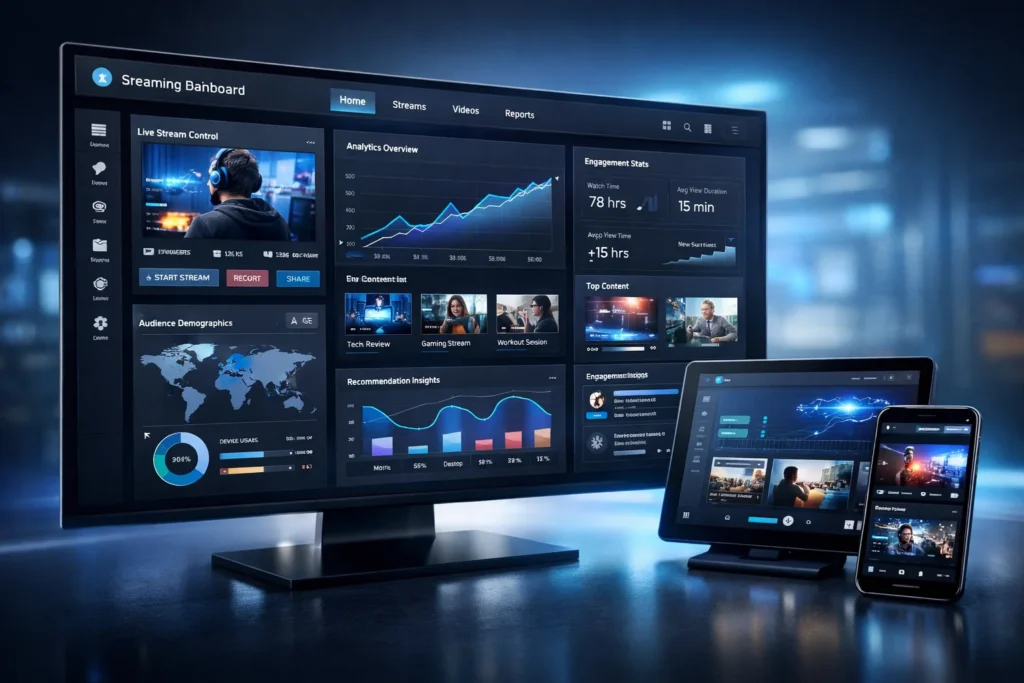
If you’ve come across the term EchostreamHub, you’re not alone in feeling a bit confused. Some sources describe it as a streaming platform, while others call it a digital ecosystem or a content hub. I’ve personally explored multiple tools in this space, and I can tell you this confusion usually happens when a platform tries to do more than one thing. EchostreamHub falls exactly into that category. It is not just about watching or hosting content. It’s about managing the entire flow of digital streaming in one place. Here’s the thing. Most creators and businesses today are tired of switching between different tools just to run a single stream or campaign. I’ve seen people struggle with juggling platforms for hosting, engagement, and analytics, and it often leads to wasted time and poor results. EchostreamHub aims to solve that problem by bringing everything together. In this guide, I’ll break it down in simple terms so you can clearly understand what it is, how it works, and whether it’s actually useful for you. What is EchostreamHub? (Quick Answer) EchostreamHub is a centralized platform that allows users to stream, manage, and distribute digital content across multiple channels while also tracking performance through built-in analytics. In plain words, it’s like a control center for your content. Instead of jumping between tools for streaming, engagement, and data, everything is handled in one place. How EchostreamHub Actually Works Let’s break it down simply. You upload or connect your content. This could be a live stream, a webinar, or recorded video. Then, the system distributes it across platforms or devices. At the same time, it collects data like viewer behavior, engagement, and performance. From my experience, the real value is in that last part. Most people underestimate analytics. But when you can see what your audience actually watches, skips, or interacts with, your strategy changes fast. Another key point is compatibility. EchostreamHub is designed to work across devices like mobile, desktop, and smart TVs. This matters more than people think. Your audience is everywhere. Core Features That Make EchostreamHub Different All-in-One Streaming Dashboard This is the feature that stands out immediately. Instead of using separate tools for streaming, hosting, and tracking, everything is inside one dashboard. I’ve seen creators waste hours switching between platforms. This setup removes that friction. Real-Time Engagement Tools Live chat. Q&A. Interactive elements. These are not just “nice to have” features anymore. They directly impact how long people stay and how connected they feel. AI-Powered Analytics This is where things get serious. EchostreamHub uses data to show what’s working and what isn’t. In my work, I’ve noticed most beginners ignore analytics completely. That’s a mistake. The creators who grow fastest are the ones who pay attention to data early. Cross-Device Streaming Your content needs to work everywhere. Phones, laptops, TVs. If it doesn’t, you lose viewers. EchostreamHub focuses on smooth delivery across all these channels. Who Should Use EchostreamHub? This is not only for one type of user. Content creators can use it to manage streams and grow their audience. Businesses can run webinars, product launches, or internal training sessions. Educators can deliver structured lessons without juggling multiple tools. I’ve personally seen small businesses struggle with running live sessions using different apps. It creates confusion, especially for the audience. A unified system solves that. EchostreamHub vs Traditional Streaming Platforms Here’s where people get it wrong. EchostreamHub is not trying to replace platforms like YouTube or Twitch. It works alongside them. Traditional platforms focus on hosting and broadcasting. EchostreamHub focuses on managing the entire process. Think of it this way. YouTube is where your content lives. EchostreamHub is how you control and optimize it. Benefits of Using EchostreamHub The biggest benefit is simplicity. Everything is in one place. That saves time. You also get better engagement because you can interact with your audience directly. And then there’s data. Real data. Not guesses. This helps you make smarter decisions. From my experience, once people start using a centralized system, they rarely go back to scattered tools. The Hidden Problem EchostreamHub Is Trying to Solve Let’s be real. The biggest issue today is fragmentation. Creators use Zoom for meetings, YouTube for streaming, another tool for analytics, and something else for engagement. It’s messy. EchostreamHub is trying to fix that by acting as a middle layer. It connects everything instead of replacing everything. That’s a subtle but important difference. EchostreamHub in 2026 – What’s Changing Things are moving fast. AI is becoming more advanced. Personalization is improving. Content is becoming more interactive. EchostreamHub is clearly moving in that direction. More automation. Better insights. Smarter recommendations. I also expect deeper integrations with other platforms. The future is not about isolated tools. It’s about connected systems. Challenges and Limitations Now let’s talk honestly. One issue is clarity. Different websites explain EchostreamHub in different ways. That confuses users. Another challenge is expectations. Some people think it’s a content platform like Netflix. It’s not. Also, since it’s still evolving, not everything is standardized yet. You may still need other tools depending on your setup. My Real Experience: Where Most Users Get Confused I’ve noticed one common mistake again and again. People expect EchostreamHub to provide content. Like a streaming library. That’s not its job. It’s a system that allows you to control and distribute your very own content material. When you remember the fact that the whole thing makes sense. Learn about: Jernsenger Framework: Meaning, Strategy, and Uses in 2026 Pro-Tip: My Personal Take From my experience, the biggest mistake people make is jumping into a tool like EchostreamHub without a clear content plan. They focus on features instead of strategy. The hidden trick is simple. Start with your audience first. Know what they want, then use the platform’s analytics to refine your content step by step. That’s where real growth happens. Is EchostreamHub Safe and Legit? Based on what I’ve seen, there’s no major red flag. It follows standard practices like data handling and secure content delivery. The confusion

EchostreamHub Explained: Features, Uses, and 2026 Guide Read More »

MataRecycler smart recycling system using AI for waste sorting

What is MataRecycler? Smart Waste Management Solution

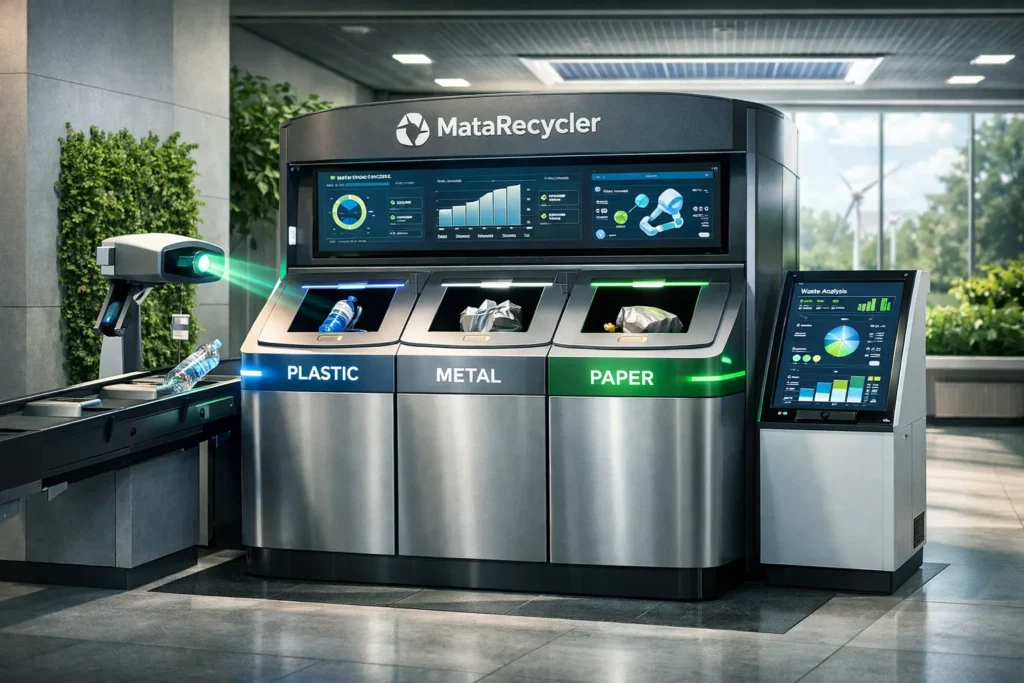
Let’s be real. Waste management is not working the way it should. I have personally seen recycling systems fail at the most basic level. Bins get mixed, materials get contaminated, and in many cases, recyclable waste still ends up in landfills. That is frustrating, especially when people are actually trying to recycle properly. This is exactly why solutions like MataRecycler are getting so much attention. It is designed to remove guesswork and bring accuracy into a system that has been unreliable for years. At its core, MataRecycler is a smart recycling system that uses AI, sensors, and real-time data to identify and sort waste automatically. But what makes it interesting is not just the technology. It is how it solves real problems that traditional systems ignore. From what I have seen, when used correctly, it can significantly reduce errors, improve efficiency, and make recycling actually work the way it was always supposed to. What is MataRecycler? think of MataRecycler as greater than only a recycling system. It is a complete smart system. From my experience working around sustainability tools, many people think it is just a smart bin. That is not accurate. It combines: AI-based material recognition IoT-enabled smart bins Real-time data tracking Automated sorting systems All these parts work together. Instead of humans guessing where waste should go, MataRecycler identifies and sorts materials with high accuracy. Simple idea. Powerful result. How MataRecycler Works (Step-by-Step) Let’s break it down clearly and simply. Step 1: Waste Input and Identification You place waste into the system. Sensors and cameras scan the material instantly. It can detect whether it is plastic, metal, paper, or something else. Step 2: AI-Based Smart Sorting This is where the system becomes intelligent. The AI learns over time. It improves its accuracy as it processes more waste. Step 3: Data Tracking and Optimization Every action is recorded. This data helps improve waste collection routes and system performance. Step 4: Recycling and Reuse Materials are sorted properly and sent for recycling. Cleaner sorting means better reuse. That is the real advantage. Key Features That Make MataRecycler Different Many systems claim to be smart, but few actually deliver. Here is what makes MataRecycler stand out: Adaptive AI that improves over time Smart sensors for accurate detection Real-time waste tracking dashboards Easy-to-use interface Scalable for different environments One thing I have noticed is that adaptive learning is often ignored, but it is one of the most important features. Benefits of Using MataRecycler Let’s talk about real value. Environmental Benefits Reduces landfill waste Lowers pollution levels Supports sustainable recycling systems Economic Benefits Reduces labor costs Improves operational efficiency Saves money over time Social Benefits Encourages responsible waste habits Increases awareness about recycling Helps create cleaner communities It isn’t always just about the environment. It’s also about efficiency and financial price savings. Problems with Traditional Recycling Here is the reality. Traditional recycling systems have several issues: Manual sorting leads to errors High contamination rates Inefficient collection systems Low recycling success I have seen cases where recyclable materials end up in landfills simply due to poor sorting. This is where MataRecycler makes a difference. It removes human error from the process. MataRecycler in 2026: Latest Innovations and Trends Things are evolving quickly. In 2026, MataRecycler is becoming more advanced with: Self-learning AI models that need less manual input Integration with smart city systems Real-time dashboards for monitoring waste performance Predictive systems that analyze waste patterns This is no longer just recycling. It is becoming a data-driven system for managing waste more effectively. Learn about: Duaction Explained: How Learning by Doing Builds Real Skills Real-World Use Cases: Where MataRecycler Works Best Let’s make this practical. MataRecycler works best in environments with high waste volume. Smart Cities It supports automated waste systems and improves efficiency. Industrial Facilities It handles large-scale sorting with better accuracy. Schools and Campuses It promotes awareness and manages waste effectively. Commercial Buildings Offices generate large amounts of waste. Smart systems help control it. From what I have seen, the bigger the scale, the better the results. Common Mistakes People Make with Smart Recycling Systems Technology alone is not enough. Here are some common mistakes: Assuming AI is always perfect Ignoring proper waste separation Not using the available data insights Lack of training for users Even a satisfactory gadget fails if people do not use it efficiently. Pro-Tip: My Personal Take From my experience, the biggest issue is not the technology itself but how people use it. I have seen organizations invest in smart systems like MataRecycler but ignore basic training. As a result, performance drops. The simple trick is to combine smart technology with proper user awareness. When both are aligned, the system delivers much better results. Is MataRecycler Worth It? Short answer, yes. It is especially useful for: Businesses with high waste output Cities are building smart infrastructure Institutions focusing on sustainability For very small-scale use, it may not be necessary. The real value appears when the system is used at scale. MataRecycler vs Traditional Recycling Systems Here is a simple comparison: Feature Traditional Recycling MataRecycler Sorting Manual AI-based Accuracy Low High Cost Efficiency Low Optimized Speed Slow Fast Data Insights None Real-time The difference is clear. Future of Waste Management with MataRecycler The future is shifting toward smarter systems. Waste is no longer just waste. It is a resource. MataRecycler supports: Circular economy models Automated recycling processes Data-driven decision making This is not just a trend. It is a long-term shift. FAQs About MataRecycler What is MataRecycler used for? MataRecycler is used to automatically sort and manage waste using AI technology, improving recycling efficiency. How does MataRecycler use AI? It uses machine learning to identify materials and improve sorting accuracy over time. Is MataRecycler available for home use? Currently, it is mainly designed for businesses and large-scale use, but smaller solutions may emerge in the future. What materials can MataRecycler process? It can process materials like plastic, metal, paper, and sometimes organic waste, depending on the setup. Is MataRecycler

What is MataRecycler? Smart Waste Management Solution Read More »

FREHF productivity framework modern workspace setup

FREHF Explained: The Smart Productivity Framework for 2026

Most people today are not lazy. They are overwhelmed, too many tasks, too many tools, and too much noise. I’ve personally been in that situation where my day felt full, but my progress felt empty. That disconnect is frustrating. You work hard, yet nothing meaningful seems to move forward. That’s where I first started looking for something different, and that’s when I came across FREHF. In simple terms, FREHF is a structured framework that helps you focus on what truly matters, reduce mental overload, and create consistent progress. It is not just any other productivity trick. It is a way of working that aligns your goals, actions, and results in a practical system. Whether you are a creator, a student, or running a business, FREHF helps you cut through chaos and regain control. What Is FREHF? (Simple Explanation for Beginners) FREHF is a human-centered framework designed to bring clarity into your workflow. Instead of doing more, it helps you do the right things. Here’s how it works in simple terms: You define clear outcomes You focus on high-impact actions You track meaningful progress You improve continuously Think of it like this. Most people are busy climbing a ladder. FREHF makes sure your ladder is placed against the right wall. Why FREHF Is Suddenly Trending in 2026 Let’s be real. The old way of working is breaking. People are juggling multiple apps, chasing productivity hacks, and still feeling stuck. I’ve worked with clients who had perfectly organized tools but no real results. That’s when I realized the problem isn’t effort, it’s structure. In 2026, people are shifting towards simplicity. They want systems that are easy to follow and actually deliver results. FREHF fits perfectly into this shift because it removes unnecessary complexity and focuses on clarity. The Core Pillars Behind FREHF (Explained Simply) FREHF is built on four simple ideas. Strategic Alignment Every task should connect to a goal. If it doesn’t, it shouldn’t exist. Data Awareness You don’t track everything. You track what matters. Behavioral Insight knowing your very own conduct is fundamental. Your machine should give you the results you want, not towards you. Iterative Improvement Progress happens through small, consistent improvements, not big, one-time efforts. Learn about: Duaction Explained: How Learning by Doing Builds Real Skills FREHF vs Traditional Productivity Systems Traditional systems often look impressive but fail in real life. They rely on too many tools and complicated setups. I’ve tried them myself. At one point, I was using multiple apps just to manage my day. It felt productive, but it drained my energy. FREHF is different. It simplifies everything. Instead of doing more, you do less but better. The Real Pain Points FREHF Solves (From My Experience) Let me share this honestly. Before using FREHF, my workflow was scattered. I was working long hours but not seeing real progress. And I’ve seen this same issue in many people I’ve worked with. Too Many Tools, No Clarity Switching between apps kills focus. FREHF reduces that noise. Working Without Direction You stay busy, but your work is not aligned with real outcomes. Decision Fatigue Continuously identifying what to do subsequently drains your strength. Inconsistent Results Some days are productive. Others are not. There’s no system behind it. FREHF solves these problems by giving you a clear structure. How FREHF Helps Digital Creators, Influencers, and Brands If you are creating content or running a brand, FREHF becomes even more valuable. Authentic Content Creation Instead of chasing trends blindly, you create with purpose. Sustainable Growth You avoid burnout because your system is structured. Stronger Audience Connection When your work is clear, your message becomes stronger. Real Benefits of Using FREHF in Daily Work From my own experience, these changes were noticeable. Better focus during work sessions Less stress and confusion Faster decision-making More consistent results One thing that surprised me was how much time I saved by simply removing unnecessary tasks. Pro-Tip: My Personal Take When I first started using FREHF, I made the mistake of overcomplicating it. I tried to build a perfect system with multiple tools. It didn’t work. When I kept everything simple, it really worked. I used a notebook, defined clear goals, and reviewed my progress weekly. That’s when I started seeing real improvement. Simplicity is the real power of FREHF. How to Start Using FREHF (Step-by-Step Guide) You can start today. Step 1: Define Your Outcome Be clean approximately what you need to acquire. Step 2: Focus on Key Actions Identify the tasks that truly matter. Step 3: Track Progress Choose a few metrics that show real results. Step 4: Review Weekly Analyze what worked and what didn’t. Step 5: Improve Gradually Make small changes and stay consistent. FREHF + AI Tools: The 2026 Productivity Stack Nobody Talks About AI tools are everywhere now. But here’s the truth. Without structure, they create more noise. I’ve tested this myself. Using AI without a system led to more ideas—but less execution. When I combined AI with FREHF, everything changed. I used AI for ideas and FREHF for execution. That balance made my workflow more effective. The Hidden Psychology Behind FREHF FREHF works because it reduces mental load. When your system is clear, your brain doesn’t waste energy on small decisions. You know what to do. You know the reason why you are doing it. That clarity improves focus and consistency. Common Mistakes People Make When Using FREHF Avoid these mistakes. Overcomplicating the system Tracking too many things Ignoring feedback Expecting quick results FREHF works best when you keep it simple and consistent. Conclusion: Why FREHF Is More Than Just a Trend FREHF is not just another productivity idea. It is a practical framework that helps you work with clarity, not confusion. In a world where distractions are everywhere, having a simple system like FREHF can make a huge difference. It allows you to focus on what truly matters and build consistent progress over time. From my experience, the biggest shift comes when you stop trying to

FREHF Explained: The Smart Productivity Framework for 2026 Read More »

Seekde AI search platform interface on laptop showing smart search results

Seekde Explained: What It Is and How It Works in 2026

If you have come across Seekde recently, you are not alone. Many users are trying to understand whether it is a search engine, an AI assistant, or something completely different. The short answer is simple. Seekde is an AI-driven platform that focuses on understanding what you mean, not just what you type. I have personally struggled with traditional search for years. You search for something simple, and suddenly you are stuck going through multiple pages, each repeating the same information. It wastes time and breaks focus. Seekde tries to fix this by reducing noise and giving clearer answers based on context, not just keywords. What Is Seekde? (Simple Definition) Seekde is an AI-powered discovery system that analyzes your question, understands its intent, and delivers structured answers instead of just showing links. In simple terms, it behaves more like a knowledgeable assistant than a traditional search tool. How Seekde Actually Works Intent-Based Understanding Most systems depend upon genuine phrases. Seekde is going deeper. It attempts to interpret the meaning behind your query. For example, if you ask a question about improving website traffic, it will not just show pages with those words. It will connect related ideas such as SEO strategies, content quality, and user behavior. Context Building Seekde builds connections between different concepts. It does not treat your query as isolated. It expands it into a complete topic. When I tested it for research, I noticed that it combined multiple ideas into a single explanation instead of forcing me to open different sources. Continuous Learning The system improves over time. It adapts to how users interact and refines its responses accordingly. Key Features That Make Seekde Different Focus on meaning rather than exact keywords Direct solutions in preference to long lists of links Context-aware results that connect ideas Adaptive responses that improve over time Reduced clutter and more focused insights This approach makes searching feel less mechanical and more natural. Seekde vs Traditional Search Engines Feature Seekde Traditional Search Approach Intent-driven Keyword-driven Output Structured answers Multiple links Time Required Low High Learning Adaptive Limited User Effort Minimal Significant From my experience, the biggest difference is effort. Traditional search requires patience. Seekde tries to remove that friction. Who Should Use Seekde? Students and Learners It simplifies complex topics and saves time during study sessions. Content Creators and SEO Professionals It helps in understanding topics more deeply, which is important for creating valuable content. Business Professionals Quick insights can support faster decision-making. General Users Anyone who wants clear answers without going through multiple sources. How Seekde Changes SEO and Content Strategy in 2026 There is a clean shift occurring. Seek is now not pretty much rating pages. It’s fair to deliver the fee directly. Earlier, many strategies focused heavily on keywords and backlinks. Now, platforms like Seekde are pushing toward deeper content that actually solves problems. From my experience working with content, shallow articles do not perform well in this environment. Content must explain topics clearly, cover multiple angles, and provide real value. This shift is forcing creators to focus more on understanding user intent rather than just optimizing for search engines. Learn about: Edivawer Guide 2026: Features, Use Cases, and Expert Insights Real Problems Which Seekde Solves One of the biggest issues with traditional search is overload. You get too many options but very little clarity. I have faced situations where I needed a quick answer, but ended up spending half an hour reading different pages. Many of them were repetitive or incomplete. Seekde addresses this by: Reducing unnecessary information Providing focused explanations Connecting related ideas into one answer This saves both time and effort. Limitations and Risks of Using Seekde It is important to stay realistic. No system is perfect. AI-generated summaries may sometimes miss important details There is a possibility of bias in how information is presented Overdependence can reduce independent thinking The platform is still developing and improving Because of this, I always recommend verifying important information, especially for critical decisions. Pro-Tip: My Personal Take From my experience, the quality of results depends heavily on how you ask questions. When I used simple or vague queries, the answers were average. But when I added more detail and context, the results improved significantly. Many users treat AI tools like traditional search bars, which limits their potential. The key is to ask clear and complete questions. That small trade could make a large difference. How to Use Seekde Effectively Be specific with your questions Add context to your query Use follow-up questions to refine answers Cross-check important information This approach helps you get more accurate and useful results. Why Seekde Is Trending in 2026 User behavior is changing. People want faster and more reliable information. They no longer want to go through long lists of links or read unnecessary content. They want answers that are clear and immediate. Seekde fits this call by way of focusing on performance and readability. That is why it’s miles gaining interest. Conclusion Seekde represents a shift in how we interact with information online. Instead of forcing users to search through multiple sources, it aims to deliver structured and meaningful answers directly. This reduces effort and improves understanding. At the same time, it is not a complete replacement for traditional search. It is a tool that works best when used thoughtfully. From what I have observed, it has strong potential to change how people access information in the coming years. If you learn how to use it properly, Seekde can become a powerful part of your daily workflow. FAQs Is Seekde a search engine or an AI device? It is an AI-powered discovery platform that focuses on understanding intent and delivering structured answers. Is Seekde better than traditional search engines? It depends on your need. It is better for quick answers, while traditional search is useful for exploring multiple sources. Is Seekde reliable? It can be helpful, but important information should always be verified from trusted sources. Can Seekde replace Google completely? Not yet.

Seekde Explained: What It Is and How It Works in 2026 Read More »

Nerwey

Lufanest: Balancing Digital Innovation and Human Tradition in 2026

We are continually assaulted with new terms and systems in the present 2026 environment. But as often as this, an idea is formulated that does not merely contribute to the din, but assists us in deploying it. Lufanest is exactly that. It is a living carpet upon which the strands of the digital innovation of the time are connected to the strong cloth of the human tradition, the spirit of the community. Whenever you feel like technology is tearing you out of the real world, or your digital devices are too disjointed to be of any use to you, you are experiencing the very issue that Lufanest is trying to address. What is Lufanest? The Concept of the Modern Hybrid In its conception, Lufanest is a twofold structure. It means not only a cultural system of common values but also a digital approach to sustainable development. We refer to it as a Digital Nest, a safe, designed space in which technology works in humanity’s favor and not vice versa. The Core Philosophy: Where Technology Meets Community Lufanest is based on a philosophy, which is simple: Synergy. In our opinion, we should not make our heritage our price in order to move forward. When we incorporate the so-called Artistic Intelligence and Community Storytelling in our digital processes, we develop a system that is natural, intuitive, and above all, human. Why Lufanest is Trending in 2026 As the paradigm of decentralized platforms and AI-arranged workspaces emerges, individuals are seeking so-called Digital Sovereignty. Lufanest has become the word of choice of people who would like to preserve their identity and their privacy of data, yet remain at the centre of the trends of technology. The Issue: The Digital Disconnection in a Hyper-Connected World We have found a huge point of pain in contemporary society: The Fragmented Identity. The majority of us have multiple digital identities on many platforms that cause emotional burnout and loss of the Community Spirit. We are all more interconnected, but people become more isolated. The pain points include: Data Exhaustion: Handling excessive logins, tools, and updates. Sensation of Loss: Online communication that is impersonal instead of social. Privacy Erosion: You have a sense that you no longer have ownership of your online presence. Lufanest’s approach solves this by considering your online presence as an ecosystem. Lufanest does not separate Work, Social Media, and Private Life into boxes but attempts to promote the coherence and continuity of thought while emphasizing the importance of your local community and mental health. The Lufanest Framework has several main principles To grasp the actual use of Lufanest, we have to examine the four pillars on which it is based: Human-Centered Design: Each tool or convention of the nest needs to address an actual human issue. When a technology complicates life, it does not fit in the Lufanest. Sustainability: We are not out to find quick solutions. We seek digital and cultural practices that can be bequeathed to the coming generation. Adaptability: With changes in technology (as is the case with changes in V3 to V4 systems), the Lufanest framework changes with the technology without disrupting the fundamental framework. Collective Intelligence: Knowledge sharing by telling stories. It is also by learning collectively that we learn well, and personal information becomes societal knowledge. Learn about: Tgtune. Real-World Uses: The Way We Use Lufanest Lufanest in Contemporary Workplaces This is also used in our professional lives in the form of establishing “Digital Workspaces” that replicate natural human interactions. This implies fewer fluff words in messages and more emphasis on shared innovation. To illustrate this, by adopting decentralised identity technology, teams can work together and not undermine personal privacy. Making Mental Health and Wellness Better Lufanest is not only a technology product but also a soul product. With the assistance of traditions of Lufanest, like systematic digital sunsets or storytelling circles, there has been a considerable increase in the emotional stability and connectedness of users. It offers the Emotional Anchors required in the busy world. The Following Simple Stages: Introducing Lufanest into Your Life You are a novice and want to join this lifestyle; these are the steps you have to follow to construct your own nest: Audit Your Digital Nest: Figure out which apps or habits are making you stressed. Unless it adds value, then eliminate it. Raise Your Essential Standards: What do you wish to keep (family, culture or self)? Collect Your Self: Adopt self-sovereign tools. Make sure that you possess your data and not a platform. Partake in Community Exchange: Exchange experiences. It can be a blog or a face-to-face gathering, but storytelling is the fuel behind the Lufanest ecosystem. Shared Misperceptions and Obstacles One of the most frequent errors is to believe that Lufanest is anti-technological. It’s quite the opposite. High-tech solutions are something we are willing to adopt, as long as they do not harm human health and the environment. The actual struggle is in the Preservation of Tradition. The danger is that we will forget about our cultural roots as we proceed into the future. Lufanest requires engagement so that our rituals, be it a spiritual, artistic, or social ritual, are the heartbeat of our innovation. The Future Effect  In the future, we will be able to envisage it’s influence on city planning, medical care, and even international policy. We are able to build a sustainable environment by emphasising Sustainable Growth as opposed to Fast Growth, in which communities are able to flourish over a period of decades. The future of Lufanest is the one into which technology becomes invisible as it functions so well in the background of our significant, conventional lives. FAQs What is the main meaning of Lufanest? Lufanest is a new approach that mixes digital innovation with traditional cultural practices. Its purpose will be to develop a kind of digital nest, which will be a safe and designed space in which technology will be applied to strengthen the community, identity, and sustainable development. What is the digital

Lufanest: Balancing Digital Innovation and Human Tradition in 2026 Read More »

Ethical Issues of Biometric Technology

What Are Ethical Issues of Biometric Technology?

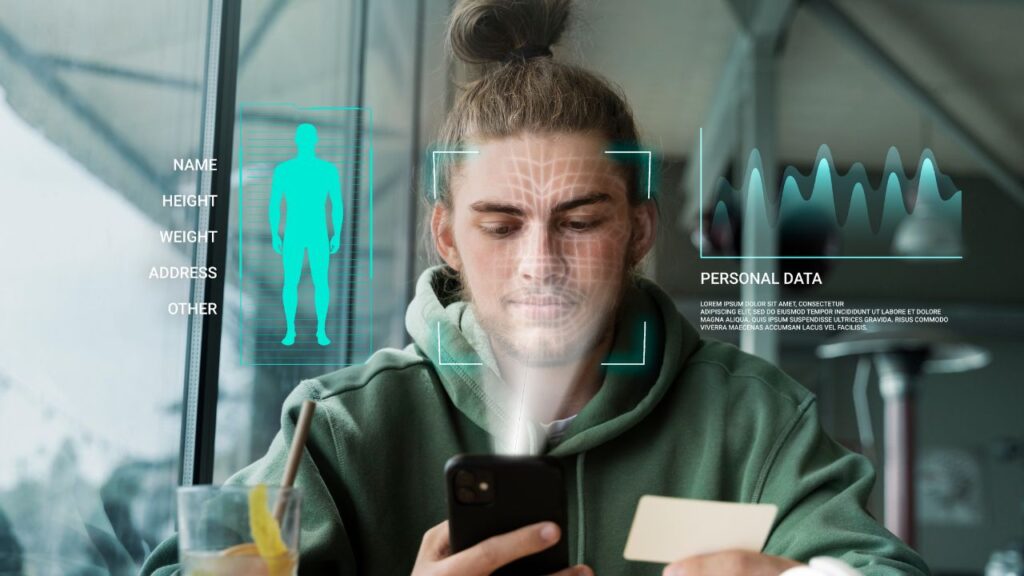
Biometric technology is a rapidly emerging lifestyle. The devices will be comfortable and secure since one can unlock smartphones using fingertips, and there is facial recognition technology in the airports. When we are enjoying these benefits, we will lose the perspective of the ethical issues in this case.  The ethical issues of biometric technology are privacy and consent issues, security and bias issues, which are the concern of the individuals and their organizations, and society in general. In ensuring that we can use these issues in a responsible manner, I will also put them into an account in this article, in addition to real-world solutions and best practices. What Is Biometric Data and Why Ethics Matter There are theatrical functions of biometric convenience. Biometric information is intimate, unique, and identifiable. This is why one has to approach it in an ethical manner. Significant Biometric Technology Ethical Concerns Privacy and Consent One of the most important issues is also user privacy. Biometric data may be non-consensually obtained, leading to non-monitored, non-anonymous monitoring. We also understood that the retail outlets have been following the facial scan of the customers regularly without their knowledge. This is not merely comparable to the invasion of privacy, but it may ruin the trust in technology. Informed Consent and Usage of Data The concept of informed consent means that the users are unaware of what will happen to their data regarding the collection, storage, and use of the data. It is a tendency of the companies to present long legal texts that are not read by many people. The other lesson that I have learned is that business organizations whose opt-in policies and privacy policies are not worded in complex terms in their format are better received and have a higher trust rating. Risk of Unauthorized Use The possible data that can be gathered by the unauthorized individual about the biometric information is government spying or the transfer of the information to a third party. The lack of the respective precautions results in the escalation of the risk. The anonymization of data and encryption, as well as the non-exploitation of users, will be performed. Ethical Principles for Using Biometric Data To find a balance between responsibility and convenience, the organizations can resort to the following apparent principles of ethics: Data Collection One must just collect the required information. One such thing can be that a bank may require fingerprints to confirm an identity, but may not require a face scan in all transactions. Data Privacy Implement encryption and introduce safe storage. The multi-layer access control is applied, in which the authorized personnel can only access sensitive data. Data Misuse Always avoid second-hand information. The retailers or apps should not sell the biometric data without the consent of the users. Transparency Ensure that there is clarity of purpose, retention, and usage policies among the users. This will come out as credible and help in fulfilling the legal requirements. Accountability P delegates the data management responsibilities. The ethical standards should be held responsible. Security Audits are to be performed frequently, breach response plans are to be followed, and penetration testing is to be performed. They will be viable even in instances where information is collected on the case; such information will not be used or stolen. Data Security Challenges in Biometric Systems Data security is the only option. In the case of biometrics and multi-factor authentication, the likelihood of a person without due authorization gaining access to the device is greatly reduced. AES-256 encryption and network segmentation are used as such encryption protocols, which help in ensuring security as well. The practice has shown that breaches and mistrust between patients are documented in health care organizations that apply both biometric authentication and encryption. Compliance and Regulations for Biometric Data The biometric practice ethics follow the regulations, such as GDPR in Europe or CCPA in California. This is not merely the legal challenge; that is why customer confidence is achieved, and that is how operational risk is reduced. Organizations should: Training of workers on trains should be done depending on the data privacy and ethics. Conduct regular internal audit. Adhere to the AI algorithms of bias and accuracy. Biometric technology will be at the center of the agenda regarding Ethics and compliance, and it will not be viewed as a threat to security. Common Ethical Mistakes Organizations Should Avoid Although these intentions are good, it does not mean that organizations do not have intentions to make mistakes that have a negative influence on ethics: Collection of redundant data. Disregard of bias in recognition algorithms. Absence of correct policies in regard to storage and encryption. Reckless attitude to users. Indicatively, some companies have been fined due to retention of fingerprint and facial data without the corresponding consent, which case it indicates the necessity to follow the code of ethics. Benefits of Ethical Biometric Practices Thanks to its proper use, biometrics can be of tremendous benefit: Fast and more secure authentication. High acceptance and confidence of the user. A greater level of security against identity theft and fraud. Information security laws. Based on the indicators, the PIN code digital wallet sellers can check the fingerprint, which is efficient to adjust the convenience, safety, and trustworthiness of the user. FAQs About Ethical Issues of Biometric Technology What are the most ethical concerns of the biometric technology? These include the privacy, consent, security, prejudice, and abuse issues mostly. Are there any threats of biometric data being stolen or hacked? Yes. Using encryption, secure storage, and multiple-factor authentication can be used to reduce these risks. But what is the ethical thing to do with biometric technology in firms? The subsequent effects of gathering the right data include informed consent, transparency, and equity-related auditing algorithms. Biased against the biometric systems? In some systems, the minorities are not represented because they have distorted stocks of information. Testing should also be done regularly by the algorithms’ auditing. What are the appearances of such safe data and good

What Are Ethical Issues of Biometric Technology? Read More »

Hundred Years' War

What new technology developed during the Hundred Years’ War?

The Hundred Years’ War (1337-1453) between France and England is an event that is generally recalled due to the duration of the war, the mythical battles, and the legends behind the war (Joan of Arc and Henry V). Besides the politics and the heroism, the war was also a tremendous advancement in military technology. The unskilled learners are incapable of understanding exactly what innovations played a role. Was it but with swords and knights? Or was it the war that brought about technology that changed the fighting field forever? This guide will be done in chronological order of the ways that the Hundred Years’ War transformed warfare. We are going to talk about weapons, armor, guns, ships, and long-term consequences. The Conflict That Changed Warfare Forever What the Hundred Years’ War made the Military Technology to be. Wars in the Middle Ages are the subject of popular imagination; people believe that knights fought on horseback. It is a popular myth. Pain Points Beginners Face: Perplexing longbows and crossbows. Early awareness of gunpowder was not made. Ignoring the development of armor. Neglecting the role of strategy and logistics. You can find out how war changed during this period by examining five key technological changes. The Game Changers: Archery, Artillery, and Armour The Reign of the Longbow: Precision and Power What Was the Longbow? A longbow was a tall wooden bow, and it was primarily used by the English forces. The people with the skill to shoot could do it more than 200 meters, and they would penetrate solid armor. Technical Superiority of the Longbow Why It Was Revolutionary Volleys of arrows were made possible through high firing speed. Penetration was better by armor than by crossbows. Inexpensive in comparison to knights. Won over battles like Crécy and Agincourt. Vital personality: Edward III used longbowmen in order to achieve memorable triumphs. The English longbow was the most significant weapon in the Hundred Years’ War. It was fast and powerful enough to overcome the knights that were well-armed and transform the medieval war. Pros & Cons: Very efficient and rather economical. Years to train to perfection. The Bang of Early Cannon: The Introduction of Gunpowder. Introduction of Gunpowder The introduction of gunpowder in Europe was in the 14 th century, but it had its origins in China. Warfare was gradually absorbed in its use. Early Cannons Initially, it was mostly used in sieges. At first, clumsy and imprecise. Caused psychological fear of foes. Examples: The French troops were increasingly reliant on cannon penetration of English fortifications towards the end of the war. The Hundred Years war involved the use of gunpowder weapons and the first cannons, which evolved to modern artillery. Impact: Weakened the conventional castle walls. Reversed the power of the battlefields on the knights to the artillery. Prepared the ground for Renaissance military engineering. Countering the Threat: Personal Protection Developments From Mail to Plate: The Evolution of Armour Why Armor Needed to Change Classical chainmail could be punctured by longbows and primitive cannons. The soldiers required enhanced security. Plate Armor Full body steel protection Better resistance to arrows and early guns. Expensive and heavy Issue: Heavy armor made movement difficult. Solution: Armorers perfected designs to have protection and movement. Arguably, the armor developed due to the use of weapons such as longbows and cannons that made the chainmail useless. Plate armor was more effective in safeguarding and survival on the battlefield. Beyond Land Battles: Naval Innovation and Fortification Changes Fortifications in Flux: Adapting to Artillery Artillery vs. Castles Stone fortifications that used to be regarded as impregnable began to be destroyed by cannons. Fortification Innovations Thicker walls Angled towers have been lowered to stop the shooting. Early bastion-style designs These inventions had an impact on military architecture in the Renaissance era. The Shifting Tides: Naval Developments Ship Improvements Greater logistic transport ships. Ships with a longer range. Early carrack-style ships could make longer voyages. Improved logistical infrastructure on invasions. The use of naval control enabled England to make several successful military operations in France. Emergence of Professional Armies and Military Government It was not just technology that won wars, but organization was also important. Structural Changes Regular armies became crown-paid. Soldiers were specifically trained to deal with new weapons. There was an improvement in logistics and supply lines. Figure: Edward III introduced professional soldiers into the army of England. This decreased the influence of feudal knights and transformed the way of war. Uncommon Misconceptions regarding Technology in the Hundred Years’ War Believing that longbows were new (they had existed earlier, but of enormous proportions) As cannons had been extremely accurate initially. Never mind the economic effect of weapon innovation. Ignoring leadership and morale as components of military success. Best Practices in Studying Military Technology No, by the event, you are a pupil, a writer of books, or an amateur of antiquities: Step-by-Step Guide: Timetables of major battle studies. Visual comparison of weapons. Link technology changes and battle results. Compare leadership decisions and technology. Tools & Resources: The interactive battle maps of history. The documentaries on the war in the Middle Ages. Artillery and armor textbooks. Learning history software. Internal link suggestions: “Medieval Warfare Explained” Effects of gunpowder in Europe. “Feudal Military Systems” Long-Term Impact The Hundred Years’ War made permanent alterations: Farewell to knights and heavy cavalry. Emergence of ground and gun supremacy. Unified armies and enhanced army logistics. The early development of modern European warfare. These changes affected centuries of wars, from the Italian Wars to the Renaissance era. Conclusion The Hundred Years’ War was not just a protracted political battle. It became a milestone in the history of the military. The English longbow and early gunpowder cannons, plate armor, and siege inventions brought a new face to the European war permanently. When creating learning material, studying to pass exams, or developing a history-based website, it is important to get familiar with these technological developments. Enhance your history content and credibility by finding more of our related guides or

What new technology developed during the Hundred Years’ War? Read More »