
Technology

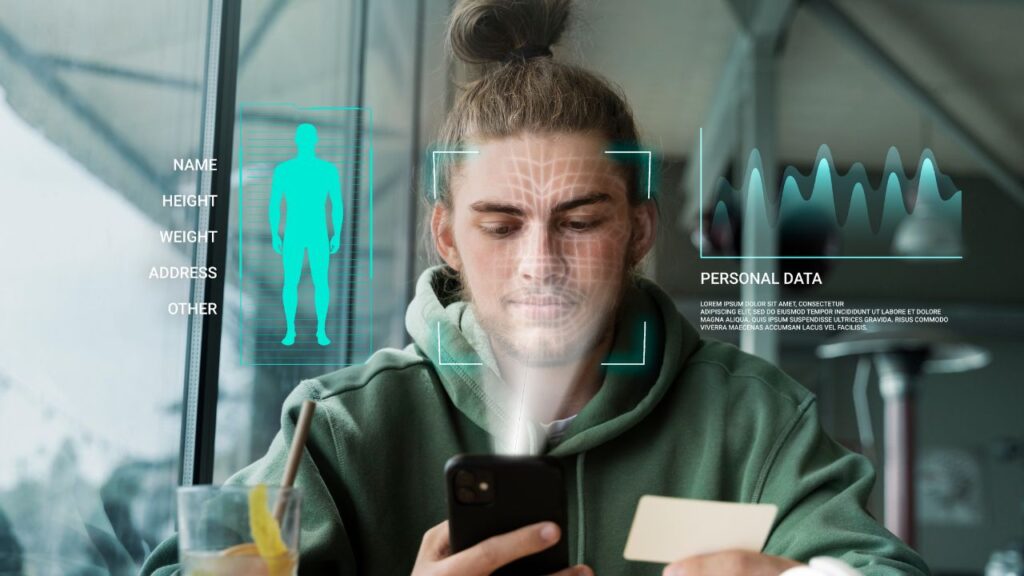
What Are Ethical Issues of Biometric Technology

What Are Ethical Issues of Biometric Technology?

As these technologies evolve, they boost complex moral, social, and felony demanding situations that demand deep scrutiny. What Are Ethical Issues of Biometric Technology? Understanding the whole landscape of what are the ethical problems of biometric technology is vital for making sure that this powerful innovation blesses society without compromising essential rights. Privacy worries and the Sensitivity of Biometric records Biometric identifiers are basically one of a kind from passwords or id cards due to the fact they are permanent, unchangeable, and linked to one’s bodily body. This creates unparalleled privacy risks. Everlasting Identifiers That can not Be Revoked A stolen password may be reset; a stolen fingerprint can not. If biometric information is exposed or hacked, the outcomes are lifelong. The inability to “reset” one’s biometric identification magnifies dangers associated with breaches. Substantial data collection past user recognition Ethical Issues of Biometric Technology modern-day biometric structures regularly collect more facts than important. Facial recognition cameras can capture environmental records, tune people with out consent, and examine subtle attributes like microexpressions or demographic features. Such covert records harvesting increases serious ethical concerns. Involuntary Participation in Public spaces In locations with continuous surveillance—airports, malls, stadiums—people can’t fairly decide out. This eliminates informed consent and intrudes on private autonomy. Informed Consent and lack of user manipulate Consent mechanisms in biometric structures are regularly inadequate or deceptive. Inadequate Transparency businesses frequently fail to reveal: What biometric information is amassed. How lengthy it is going to be stored. Who can get entry to it. Whether it is going to be shared with 1/3 parties. Whether or not it could be used for secondary purposes. This lack of transparency undermines the moral basis of consent. Coercion in Employment and education employees may also feel pressured to publish biometrics for clock-in systems. students can be pressured to apply facial recognition for far off assessments. while refusal ends in consequences, consent turns into an phantasm in preference to a desire. Energy Imbalance among users and establishments Governments, employers, and agencies hold overwhelming informational and bodily energy. customers regularly lack bargaining strength to venture unethical practices or request deletion of biometric facts. Facts security, Breaches, and long-time period storage dangers The security implications of biometric databases are most of the maximum risky ethical issues. Excessive-value goals for Cybercriminals Because biometric tendencies never change, centralized biometric databases are extremely valuable—and vulnerable. Breaches can result in identification robbery, fraud, blackmail, and surveillance. Insufficient Encryption and garage regulations Many agencies store biometric templates in insecure codecs or keep them indefinitely. moral records stewardship calls for: Hashing and encryption. Strict get admission to controls. Regular audits. minimum statistics retention regulations. Without those protections, biometric repositories emerge as ticking time bombs. Unequal Accuracy throughout Demographics research show that facial popularity structures may additionally misidentify individuals based on: Race. Gender. Age. Pores and skin tone. Facial shape. Marginalized communities regularly face higher false-effective costs, main to wrongful detentions, false accusations, and unfair treatment. Embedded Societal Bias inside education statistics If developers educate models the use of datasets missing variety, the device inherits and amplifies societal bias. This creates feedback loops where discrimination turns into computerized and institutionalized. Disparities in access and Inclusion Biometric structures may not paintings efficiently for human beings with disabilities, accidents, or clinical situations. Exclusion creates a digital divide that leaves sure organizations not able to get admission to essential services. Government Surveillance and the Erosion of Civil Liberties Biometrics empower governments to screen populations in methods formerly not possible. Mass Surveillance without Consent Facial popularity structures in public spaces allow authorities to tune individuals in actual time. while deployed with out oversight, these structures threaten: Freedom of movement. Freedom of expression. Freedom of assembly. Concentrated on of Dissidents and Minorities Authoritarian regimes may weaponize biometrics to song activists, reporters, or political opponents. Even democratic governments may additionally use biometrics for disproportionate surveillance of positive organizations. Function Creep and Unregulated growth Technology brought for one cause—counterterrorism, as an instance—can quietly enlarge into everyday tracking. without law, biometric systems can evolve into pervasive surveillance tools. Ethical problems in regulation Enforcement and crook Justice Biometric technology based totally policing demanding situations ethical standards associated with justice and fairness. Misidentification main to false Arrests high-profile cases have verified that algorithmic errors can cause wrongful arrests—in particular for minority populations. lack of responsibility and Transparency law enforcement organizations regularly refuse to disclose: How biometric systems are applied. Their accuracy costs. The origin of their training datasets. This opacity hinders ethical oversight. Predictive Policing and danger Scoring whilst mixed with predictive analytics, biometric facts can gasoline systems that declare to predict crook conduct. Such practices raise issues approximately: Prejudgment. Unlawful profiling. Self-fulfilling cycles of policing. Moral Implications within the personal zone. Groups increasingly combine biometrics into normal services—unlocking phones, getting access to banks, or customizing retail reviews. Business Exploitation of Biometric Profiles   corporations may additionally analyze biometric traits to deduce feelings, alternatives, or fitness conditions and goal consumers accordingly. This violates ethical barriers round autonomy and manipulation. Opaque 0.33-party Sharing Practices Biometric information is from time to time shared with advertisers or data brokers with out person knowledge. Secondary utilization for advertising or analytics is a first-rate moral crimson flag. Place of job monitoring and productiveness monitoring   Biometric wearables can screen employee actions, pressure degrees, or maybe fatigue styles. excessive tracking conflicts with worker rights and personal limitations.   kids’s Biometrics and inclined Populations gathering biometrics from minors or susceptible individuals increases heightened moral issues. long-term effects for youngsters   Biometrics collected in schools—fingerprints for lunch lines, facial reputation for attendance—may additionally comply with children for life. Their future autonomy is compromised before they can meaningfully consent. More desirable responsibility of Care necessities children cannot completely apprehend: The permanence of biometric identifiers. The risks of statistics breaches. long-term surveillance implications. This calls for strict moral and felony safeguards. Manipulation, Deepfakes, and identification Spoofing. Biometric structures themselves can end up equipment for unethical manipulation.   Deepfake era Exploiting Facial Biometrics AI-generated deepfakes use facial

What Are Ethical Issues of Biometric Technology? Read More »

What New generation developed inside the Hundred Years’ war

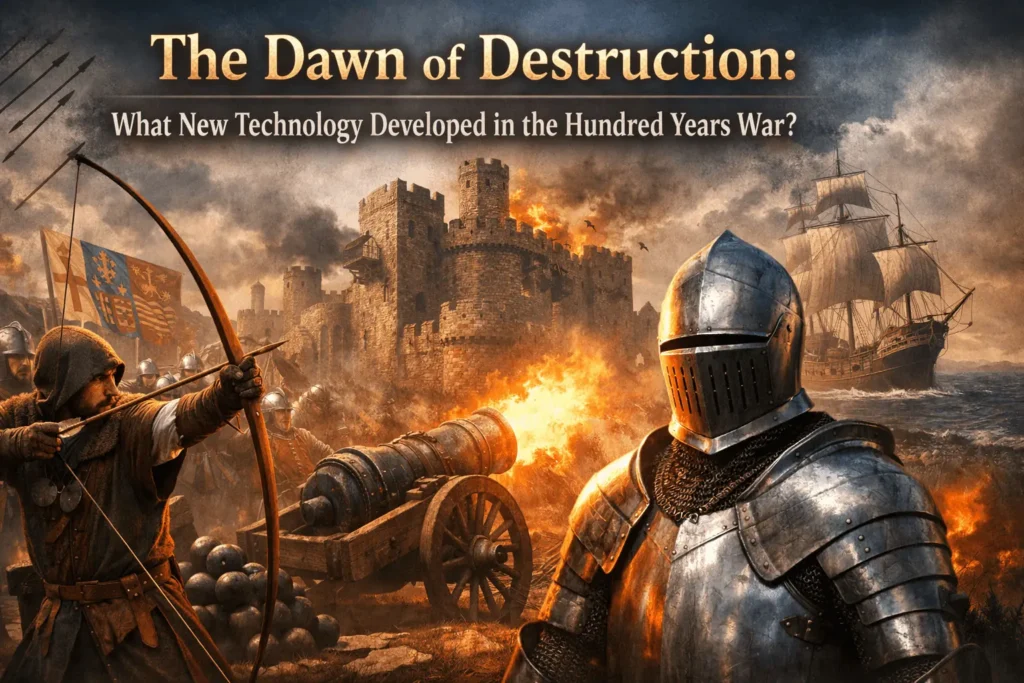
What new technology developed during the Hundred Years’ War?

The Hundred Years’ Battle, fought among England and France from 1337 to 1453, changed into no longer just a prolonged political and territorial struggle — it changed into a turning factor within the evolution of war. Over the direction of greater than a century, this battle transformed medieval fights into a new, generation-driven form of warfare. What the new generation developed inside the Hundred Years’ War: for the first time, the balance of strength shifted from knights in shining armor to common soldiers geared up with revolutionary new guns. This period witnessed the emergence of gunpowder guns, longbows, cannons, advanced armor, and superior fortifications, each reshaping army processes and redefining the concept of victory. Let’s discover how the Hundred Years’ conflict became the birthplace of contemporary army technology and changed the direction of EU history forever. Major Technologies Developed During the Hundred Years’ War Gunpowder Enters the Battlefield Though gunpowder was initially invented in China, its effect on Europe became truly seen all through the Hundred Years’ War. Around the mid-14th century, both the English and French armies began experimenting with primitive firearms, marking the first actual steps towards cutting-edge artillery. What new generation developed inside the Hundred Years’ War? Early cannons, frequently called “bombards,” were crude and unreliable—fabricated from wrought iron or bronze—but they ushered in a new era wherein even the thickest fort walls were now not invincible. The first Cannons in movement At the Battle of Crécy (1346), English forces reportedly used small cannons—one of the earliest recorded uses of gunpowder weapons in Europe. Although their unfavorable power became constrained, their psychological impact became great. The loud explosions, thick smoke, and terrifying noise unsettled enemy troops and warhorses, signaling the dawn of gunpowder war. The English Longbow: The Human Being’s Weapon The image of English strength Perhaps the most iconic technological innovation of the Hundred Years’ War was the English longbow. Even as not a brand-new invention, its refinement and strategic use turned it into one of the deadliest guns in medieval records. The longbow, frequently six ft in duration and crafted from yew wood, should shoot an arrow over 250 yards with exquisite accuracy and pressure. English archers trained from youth, growing the strength to tug its heavy draw weight of up to one hundred fifty kilos. The struggle of Agincourt: evidence of energy The battle of Agincourt (1415) showcased the devastating impact of the longbow. Notwithstanding being heavily outnumbered, King Henry V’s English navy defeated the French via disciplined archery formations. Lots of French knights have been cut down earlier than they may even attain English strains. This weapon democratized war, permitting everyday soldiers to defeat elite knights—a primary shift that started to weaken the vintage feudal order. 3. Plate Armor and the Evolution of protection From Chainmail to complete Plate As offensive weapons like the longbow became more deadly, the artwork of defense evolved in reaction. In the course of the Hundred Years’ conflict, plate armor replaced conventional chainmail because of the desired protection for knights and guys-at-arms. This armor, manufactured from carefully crafted steel plates, blanketed nearly the entire body, imparting superior protection in opposition to arrows and sword moves. By the 15th century, full suits of plate armor represented the peak of medieval craftsmanship and navy status. The paradox of development However, even the fine armor couldn’t absolutely withstand longbow volleys or cannon fire. This led to a technological hands race — as guns became extra effective, armor grew heavier and more complex. Sooner or later, mobility and price have become critical drawbacks, signaling the stop of the closely armored knight on the battlefield. 4. The birth of field Artillery From Siege to approach Before the Hundred Years’ War, siege engines like trebuchets and catapults dominated warfare. However, as gunpowder artillery improved, those old machines became out of date. Cannons could now spoil stone fortifications in hours rather than days.  By the 15th century, both France and England had advanced siege artillery, capable of transferring with armies and firing iron cannonballs at enemy positions. This innovation reshaped siege conflict, making castles and walled cities some distance away much less comfy. The French Lead the Artillery Revolution In the later ranges of the struggle, France, underneath King Charles VII, built one of the most advanced artillery corps in Europe. Their cannons played a critical role in recapturing French territories and ending English dominance. By means of 1453, at the Siege of Castillon, French artillery completely overwhelmed English defenses—the final victory that closed the battle. The Transformation of Naval generation From Wooden Ships to Gunships The Hundred Years’ Battle additionally revolutionized naval struggle. At sea, gunpowder determined a brand new home on armed ships, giving delivery to early naval artillery. The English, in particular, used cogs and caravels ready with small cannons to dominate coastal battles and disrupt French supply traces. The introduction of gunports allowed ships to fire broadside volleys—a precursor to the effective warships of the Renaissance. Control of the Channel The war for manage over the English Channel became a technological as well as strategic contest. ship design, navigation, and maritime artillery all developed unexpectedly, turning naval energy right into a decisive element in medieval geopolitics. 6. Army enterprise and communique Advances The beginning of professional Armies Technology wasn’t confined to guns on my own—it also transformed how armies were organized and led. The Hundred Years’ conflict marked a shift from feudal levies to expert standing armies, supported by using systematic logistics and centralized command systems. This evolution required new methods of communication, coordination, and report-preserving, laying the basis for cutting-edge military bureaucracy. The role of era in approach With more complicated weaponry came the need for professional engineers, gunners, and tacticians. The era saw the upward thrust of navy specialists—a clear departure from the vintage model where noble lineage decided command. Battle changed from being the sport of the aristocracy; it became a science driven by way of technology that the new generation developed inside the Hundred Years’ War.

What new technology developed during the Hundred Years’ War? Read More »

Does Instagram Notify Whilst You Screenshot a Tale

Does Instagram Notify While You Screenshot a Tale? 4 Surprising Truths

In the age of digital privacy and social media transparency, one of the most unusual questions customers ask is, “Does Instagram notify you when you screenshot a tale?” Whether you’re looking to keep a fleeting reminiscence, take a screenshot of a humorous submission, or preserve an image for a proposal, you may marvel if Instagram signals the opposite individual when you capture their content material. This particular manual breaks down the entirety of what you want to recognize about Instagram screenshots in 2025—overlaying memories, posts, reels, DMs, and each kind of interaction on the platform. Information Instagram’s Screenshot policy in 2026 Instagram’s dating with screenshots has evolved over the years. First of all, the app allowed users to take screenshots freely without any notifications. But, as privacy issues grew, Instagram started experimenting with capabilities that notify customers when their disappearing messages are captured. As of 2025, Instagram does not notify everyone in case you screenshot: Their Tale Their put up Their Reel Their Profile Their comments or Captions However, Instagram does send notifications in very particular instances—specifically in direct messages (DMs) regarding disappearing photos or movies. To apprehend when and the way this takes place, let’s break it down by using characteristics. Does Instagram notify you when you screenshot a story? The short solution: No Instagram no longer notifies users when a person takes a screenshot of their story. Whether it’s a public tale, a private one shared with close friends, or a tale highlight, Instagram will no longer alert the writer that you’ve taken a screenshot. The 2018 experiment Back in 2018, Instagram briefly examined a function that notified customers when a person took a screenshot of their story. This take a look at was met with combined reactions and quickly changed into discontinued. Seeing that, then, Instagram has by no means reinstated that characteristic, and as of 2025, the app stays notification-unfastened for screenshots. Non-public vs. Public bills Public debts: You could screenshot any story from a public account without them understanding. Private bills: You could screenshot their memories too—but you need to already be a permitted follower to view them. Nevertheless, no notification may be sent. Near Friends’ Stories Although a story is shared exclusively with “near friends,” Instagram will no longer alert the writer if you take a screenshot. The only information they see is who regarded the tale, no longer who captured it. Does Instagram notify when you screenshot a post? Similar to with memories, Instagram does not notify customers while you screenshot a submission from their feed. whether or not it’s an image, carousel, or video, the user doesn’t realize in case you stored a photograph of it. You can additionally use Instagram’s shop feature (the bookmark icon underneath posts) to keep content material for later without taking a screenshot. The original user isn’t notified of this either—your saved collections are personal on your account. Does Instagram Notify You When You Screenshot a Tale Reel? Instagram Reels are one of the most popular sorts of content material today, and lots of users like to seize memorable moments. If you’re wondering whether the app alerts creators when you screenshot a Reel, the solution is once more no. You can screenshot any Reel, whether it’s out of your feed, discover page, or a user’s profile. You could additionally screen-file Reels freely—Instagram won’t notify the author. Even if Reels are dispatched through DMs, Instagram no longer sends a notification if you screenshot or document them—except if they’re sent as disappearing media (more on that beneath). Does Instagram notify when you screenshot DMs? That is where things get exciting. Instagram’s screenshot notifications are only practiced in inner Direct Messages and are simplest for positive varieties of content. Regular Chat Messages If you screenshot text messages, stickers, voice notes, or hyperlinks in a DM—no notification might be dispatched. These are taken into consideration as everlasting chat elements, so Instagram doesn’t sing or alert customers about screenshots here. 2. Shared Posts and Reels in DMs When a person sends you a post, reel, or tale through DM, and you screenshot it—no notification happens. The handiest time Instagram notifies someone is while the content is a disappearing photo or video. Does Instagram notify you when you screenshot a profile? No. Instagram doesn’t alert users in case you take a screenshot of their profile web page. You may seize a person’s bio, profile photo, follower listing, or highlights without them knowing. But notice that Instagram does not help you zoom into or make bigger profile images without delay inside the app anymore—so most users use 0.33-birthday celebration tools or websites to view them in higher resolution (use with warning to avoid privacy troubles). Does Instagram notify when you screenshot highlights? Tale Highlights, although derived from memories, are dealt with as everlasting posts on a person’s profile. You can take a screenshot of any spotlight without stressing about notifications. Even though highlights include vintage tales, they’re publicly seen on a user’s profile (unless the account is personal). So Instagram treats them in the same manner as everyday posts—no indicators are ever sent. Can you screen-record Instagram stories without being detected? Sure, Instagram does no longer notify customers in case you screen record their story, Reel, or post. The app cannot differentiate between a regular table view and a recorded screen consultation. But, in case you file a disappearing video in DMs, Instagram will notify the sender—just like with screenshots. How to save Instagram stories without screenshots If you prefer not to take screenshots, there are valid approaches to save content material: Save feature: Tap the bookmark icon to keep posts or Reels in your personal collection. Archive your own testimonies: Your own memories are routinely archived after 24 hours. Download Your Statistics: You can request a complete download of your Instagram records (inclusive of your posts and testimonies). Ask Permission: If you need to save another person’s tale for a valid motive, the respectful and ethical way is to ask for their

Does Instagram Notify While You Screenshot a Tale? 4 Surprising Truths Read More »